-
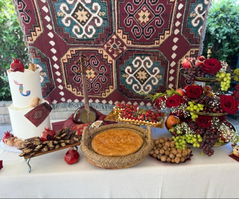
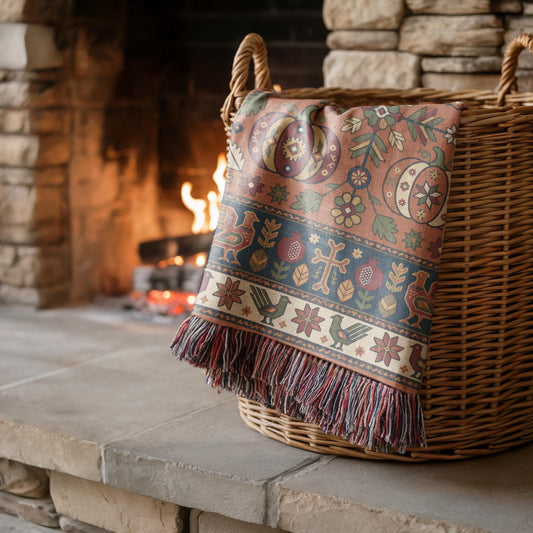
Armenian Autumn Throw Blanket, Burgundy & Cream Ghapama Woven Cotton
Regular price From $69.00 USDRegular price -
Armenian Ghapama Throw Pillow, Cream & Gold Woven, Filling Included
Regular price $69.00 USDRegular price -
Armenian Pumpkin Throw Pillow, Rust & Navy Ghapama Woven, Filling Included
Regular price $69.00 USDRegular price -
Armenian Pumpkin Throw Blanket, Gold & Teal Ghapama Woven Cotton
Regular price From $69.00 USDRegular price$0.00 USDSale price From $69.00 USD -
Armenian Harvest Throw Blanket, Grape & Fig Ghapama Woven Cotton
Regular price From $69.00 USDRegular price$0.00 USDSale price From $69.00 USD -
Armenian Fall Throw Blanket, Geometric Ghapama Pumpkin Woven Cotton
Regular price From $69.00 USDRegular price$0.00 USDSale price From $69.00 USD -
Armenian Pomegranate Throw Blanket, Rust & Navy Ghapama Woven Cotton
Regular price From $69.00 USDRegular price$0.00 USDSale price From $69.00 USD -
Armenian Ghapama Blanket, Cream & Rust Woven Cotton Fall Throw
Regular price From $69.00 USDRegular price$0.00 USDSale price From $69.00 USD -
Armenian Folk Song Ceramic Mug with Ghapama Design, Personalized
Regular price From $16.00 USDRegular price$0.00 USDSale price From $16.00 USD -
Armenian Peacock & Pomegranate Woven Blanket – Green
Regular price From $69.00 USDRegular price$0.00 USDSale price From $69.00 USD -
Armenian Peacock & Pomegranate Woven Wall Tapestry – Green
Regular price From $69.00 USDRegular price$0.00 USDSale price From $69.00 USD -
Armenian Peacock & Pomegranate Woven Blanket – Green & Red
Regular price From $69.00 USDRegular price$0.00 USDSale price From $69.00 USD -
Armenian Tree of Life Throw Pillow – Vibrant Birds
Regular price $69.00 USDRegular price$0.00 USDSale price $69.00 USD -
Armenian Personalized Pomegranate & Alphabet Pillow Cover
Regular price From $31.00 USDRegular price$0.00 USDSale price From $31.00 USD -
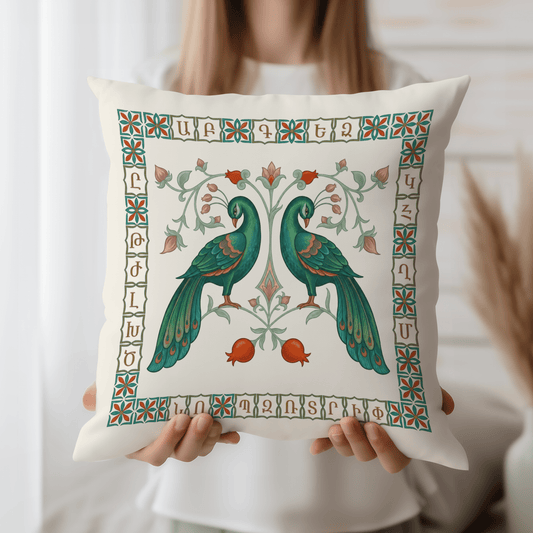
Armenian Peacock Pomegranate & Alphabet Pillow Cover - Emerald
Regular price From $31.00 USDRegular price$0.00 USDSale price From $31.00 USD -
Armenian Personalized Tree of Life Lumbar Pillow Cover with Insert - Wedding Keepsake
Regular price $55.00 USDRegular price$0.00 USDSale price $55.00 USD












Collections
-

Wall Hangings
Armenian designs in woven cotton, made to hang — heritage on the...
-

Blankets & Throws
Woven cotton and plush velveteen blankets carrying Armenian designs — for the...
-

Prayer & Faith
This collection gathers woven pieces and wall art centered on Armenian Christian...
-

Armenian Alphabet
This collection brings together woven blankets, pillow covers and ceramic mugs featuring...